Diabetes is a condition that causes an individual’s blood sugar level to become too high. There are 2 main types:
Type 1 diabetes is a serious condition where blood glucose (sugar) levels become too high because the body can’t make the hormone insulin, as a result of damage to the pancreas.
Type 2 diabetes is a serious condition where blood glucose (sugar) levels become too high because the body becomes insensitive to the effects of insulin. This condition is primarily associated with overweight and obesity and accounts for approximately 90% of all Diabetes patients.
As well as weight being a major risk factor for developing Type 2 Diabetes, women during pregnancy can develop gestational diabetes. This can be an indicator that the risk of developing Type 2 Diabetes in the future is much higher.
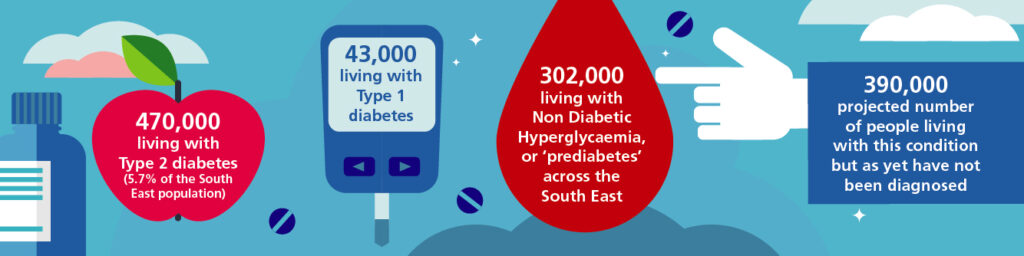
Within the South East Region there are 470,000 people living with Type 2 diabetes (approx. 5.7% of the population) and 43,000 living with Type 1 (based on NDA19/20). A condition known as Non Diabetic Hyperglycaemia or “prediabetes” is found in at least 302,000 people and modelled estimates suggest another 390,000 people have the condition but are yet to have it diagnosed.
Aims
The South East diabetes programme supports the key commitments set out in the NHS Long Term Plan (LTP) to improve the care of people living with diabetes and in the prevention of Type 2 diabetes. We work closely with our partner organisations – Public Health colleagues and Diabetes UK to achieve this.
For health professionals interested in further information, Diabetes UK provide a vast range of support and information via their website. You can also welcome to contact england.southeastdiabetes@nhs.net or join the South East Diabetes Programme NHS Futures site.
Prevention
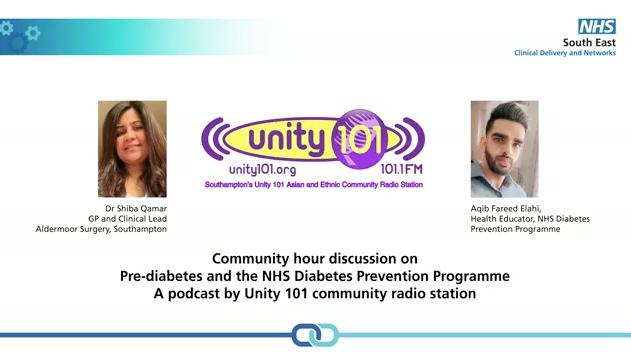
The National Diabetes Prevention programme (NDPP) supports those individuals at high risk of developing Type 2 diabetes by offering a behaviour change programme and this is upscaling in line with the LTP to double the size following successful roll out to date. Through Covid-19 the delivery model has been expanded to include more remote/digital access. The next NDPP framework is currently being procured to commence in Summer 22 and is likely to offer a range of options to encourage and support individuals to enlist in the NDPP offer
Improved Treatment and Care
- Continued investment to support and improve the local delivery of workstreams that enable more people to achieve the three NICE recommended treatment targets (HbA1c, cholesterol and blood pressure) and reduce variation across the region for patients
- Increasing the availability of self-management support for people living with diabetes including accessibility to digital self-management tools
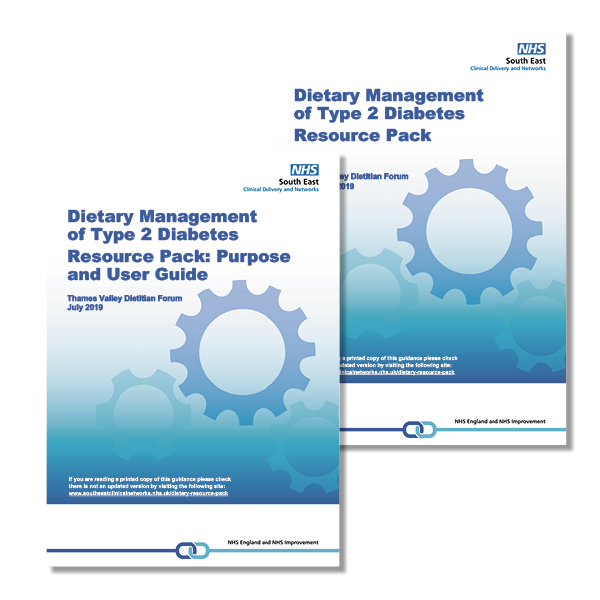
- We support people who are newly diagnosed with diabetes to manage their own health through the offer of structured education sessions and digital self-management tools. The availability of an online tool to support those living with Type 2 diabetes called ‘Healthy living for people with Type 2 diabetes’ will be rolled out during Autumn 2021.
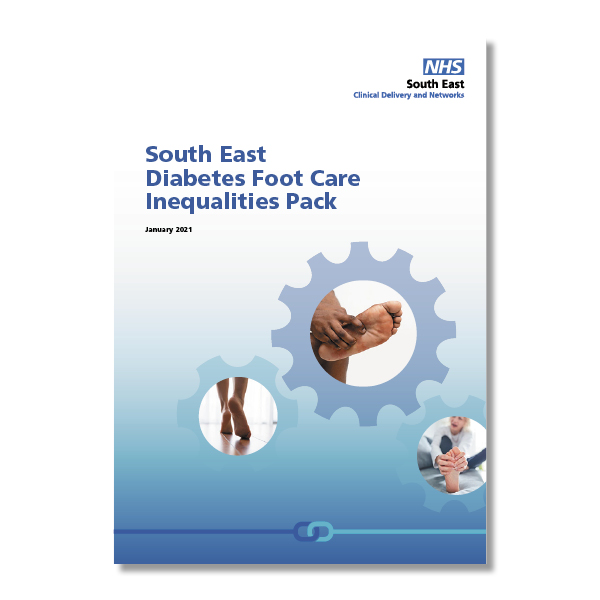
- Supporting hospitals in their multi-disciplinary foot care team and diabetes in patient specialist provision to improve outcomes for patients by positively influencing recovery, reducing length of stay and readmission rates whilst decreasing amputation rates. The South East generally has lower amputation and emergency readmission rates than the England average.
- The LTP also made a commitment that by 2020/21 that continuous glucose monitoring (CGM) should be offered to all pregnant women with Type 1. Managing tight control of maternal blood glucose during pregnancy minimises the risks to both mother and baby and improves neonatal outcomes.
Further information
Our partner organisation Diabetes UK provide a vast range of support and information via their website. For health professionals interested in more information please contact england.southeastdiabetes@nhs.net or join the South East Diabetes Programme NHS Futures site.